

What Exactly Is Gim Kit
Hey there! Let’s dive into the exciting world of gim kit together. It’s one of the coolest educational tools available right now.
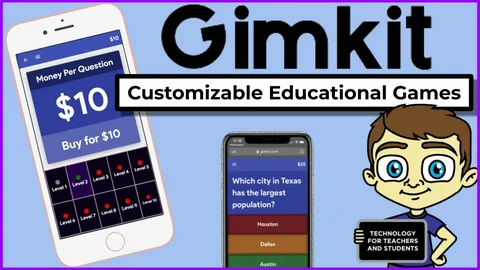
Gim kit is an interactive learning platform that turns studying into gaming fun. Students answer questions to earn virtual money during game sessions they play. They use this money to buy power-ups and upgrades throughout gameplay. It’s like playing a video game except you’re actually learning real content. Teachers create question sets and students compete while reviewing important material covered in class.
The platform was created by a high school student who wanted better ways to study. He understood that traditional flashcards and worksheets were boring for most students. So he built gim kit to make learning feel more like entertainment. The result is a tool that students genuinely enjoy using every single day. Teachers love it because engagement levels skyrocket compared to traditional review methods available.
What makes gim kit special is how it combines education with gaming psychology. Students get instant feedback when they answer questions correctly or incorrectly shown immediately. The competitive element motivates even reluctant learners to participate actively and enthusiastically. Money management and strategy add extra layers beyond just answering questions correctly. This multi-dimensional approach keeps students engaged for longer periods than regular quizzes.
How Gim Kit Works in Simple Terms
Understanding how gim kit actually works is pretty straightforward and simple really. Let me break down the basic mechanics for you right now.
Teachers start by creating a question set called a “kit” on the platform. These kits contain questions with multiple choice or short answer formats available. Teachers can create their own questions or use pre-made kits from the community. Once the kit is ready, they host a live game for students. Students join using a simple code displayed on the teacher’s screen prominently.
When the gim kit game begins, students see questions on their devices immediately. They read each question carefully and select or type their answer quickly. Correct answers earn them virtual money that accumulates in their account balance. Wrong answers might cost them money depending on the game settings chosen. The faster you answer correctly, the more money you typically earn over time.
Between questions, students can visit the in-game shop to buy upgrades available. These power-ups help them earn money faster or protect their current earnings. Some upgrades multiply your earnings per correct answer significantly and dramatically. Others give you shields against losing money on wrong answers temporarily provided. Strategic shopping is just as important as knowing the actual academic content.
The gim kit game continues until the teacher ends it manually or time runs out. Final leaderboards show who earned the most virtual money during the session. Students can see their ranking and celebrate their achievements with classmates around. Teachers get detailed reports about student performance and question difficulty levels shown. This data helps inform future teaching and identify concepts needing more review time.
Why Teachers Are Choosing Gim Kit for Classrooms
More teachers are discovering gim kit every day and loving the results completely. Let’s explore why this platform is becoming so popular in schools everywhere.
Student engagement increases dramatically when teachers use gim kit for review sessions regularly. Kids who normally zone out during traditional activities suddenly pay full attention. The game format taps into their natural love for competition and achievement. Even students who struggle academically participate enthusiastically during gim kit games played. This universal engagement makes it valuable for diverse classrooms with different learners.
The platform provides real-time data that traditional assessments simply cannot offer teachers. You can see immediately which questions students are missing most frequently shown. This lets you adjust your teaching on the spot without waiting for graded tests. You know exactly what to reteach before moving forward with new content. Data-driven instruction becomes easy and accessible with gim kit’s built-in analytics features.
Preparation time is minimal compared to creating traditional review materials from scratch. Teachers can build a gim kit in minutes or use existing ones shared. No printing worksheets, cutting cards, or setting up elaborate classroom activities needed. Everything happens digitally and students bring their own devices to play. This efficiency matters when teachers already have overwhelming workloads and limited planning time.
The platform works across all subjects and grade levels without any restrictions. Math teachers use gim kit for practicing problem-solving and computational skills effectively. English teachers create vocabulary and reading comprehension review games for students. Science teachers build kits about terminology, concepts, and processes studied in class. Social studies teachers quiz students on facts, dates, and historical events covered. This versatility makes it a worthwhile investment for any teaching situation imaginable.
Read Also: How to Join a Gimkit Game: A Step-by-Step Guide
Different Game Modes Available in Gim Kit
Gim kit offers various game modes to keep things fresh and exciting. Let’s explore the different ways you can play and learn together.
Classic Mode is the standard format where everyone competes individually for themselves. Students race to earn the most money through correct answers given quickly. It’s straightforward and perfect for beginners just starting with the platform. This mode works great for quick reviews or warm-up activities at class start. The simplicity helps students focus purely on content without complex rules to follow.
Team Mode transforms gim kit into a collaborative learning experience for students. Classes divide into teams that work together toward a common goal shared. Team members can discuss answers and help each other understand concepts better. Combined earnings create a team total that everyone contributes to collectively during play. This mode is excellent for building classroom community and teaching cooperation skills.
Trust No One adds a social deduction element to gim kit gameplay uniquely. Some students secretly become “imposters” who can sabotage others’ progress during games. Regular students must answer questions while identifying who the imposters are hidden. It combines academic content review with critical thinking and social strategy beautifully. Older students particularly love this mode for its added complexity and intrigue.
Floor is Lava creates urgency by eliminating students who fall behind everyone. A rising “lava” line threatens students who aren’t earning money fast enough. Those below the line get knocked out of the game temporarily until rescued. This mode adds pressure that motivates quick thinking and fast accurate answering. It’s intense but incredibly engaging for students who thrive under competitive pressure.
Setting Up Your First Gim Kit Game Successfully
Ready to try gim kit with your students? Let’s walk through setting up your first game step by step together.
Start by creating a free account on the gim kit website easily. Enter your information and verify your email address to activate the account. Once logged in, explore the dashboard to familiarize yourself with the layout. You’ll see options to create kits, browse the library, and host games. Take a few minutes to click around and get comfortable navigating.
Create your first kit by clicking the “Create Kit” button shown prominently. Give it a clear name like “Week 5 Vocabulary” or “Chapter 3 Review” descriptive. Begin adding questions one at a time with their correct answers included. Add at least 10-15 questions for a meaningful game experience for students. You can always add more questions later as you reuse the kit.
When you’re ready to play, select your kit and click “Host Live” button. Choose Classic Mode for your first game to keep things simple initially. Adjust settings like starting money and available power-ups as you prefer customizing. Generate the game code and display it clearly for students to see. Wait for everyone to join before starting the actual game for the class.
Watch your students engage with the material in a totally new way. Monitor the game screen to see who’s doing well and who’s struggling. You can pause if needed to address questions or provide clarification needed. End the game when time is up or when you’ve reviewed enough. Review the results together and celebrate everyone’s participation and effort shown.
Tips for Creating Engaging Gim Kit Questions
The quality of your questions directly impacts how effective gim kit games are. Let me share tips for writing questions that maximize learning and engagement.
Write clear, concise questions that students can read and understand quickly always. Avoid overly complex sentence structures or confusing wording that trips students up. Remember that students are reading under time pressure during gim kit gameplay. Simple, direct questions work best for maintaining game flow and momentum throughout. Save complex scenarios for assignments where students have more time to think.
Include a mix of difficulty levels to challenge all learners in your classroom. Start with easier questions to build confidence and get everyone participating initially. Gradually increase difficulty as the gim kit game progresses through more content. This scaffolding approach keeps both struggling and advanced students engaged throughout fully. Everyone experiences some success and some challenge, which is ideal for learning.
Add images to questions whenever possible to increase engagement and clarity significantly. Visual questions break up text monotony and help visual learners process information. Pictures can provide context clues or make abstract concepts more concrete for students. Just ensure images are clear, relevant, and appropriate for the question asked. Well-chosen visuals enhance gim kit games rather than distracting from learning objectives.
Review and revise your gim kit questions based on student performance data. If everyone misses a particular question, it might be poorly worded or confusing. If everyone gets a question right, it might be too easy or obvious. Use the analytics to identify problematic questions that need improvement or replacement. Your kits should evolve and improve over time as you refine them.
Write distractors (wrong answers) that are plausible but clearly incorrect to learners. Avoid joke answers or obviously wrong choices that don’t teach anything useful. Good distractors reveal common misconceptions you want to address in teaching directly. They make students think carefully rather than just guessing randomly without consideration. Quality wrong answers are just as important as the correct answer itself.
Using Gim Kit Data to Improve Your Teaching
One of the best features of gim kit is the detailed analytics provided. Let’s explore how to use this data to become a better teacher.
After each gim kit game, review the question-by-question breakdown of student performance. Look for questions where accuracy was below 60% as these indicate gaps. These are concepts that need reteaching or additional practice time allocated soon. Make note of these topics and address them in your next lesson. This targeted approach is much more effective than reviewing everything again broadly.
Individual student reports show you who understands content and who’s struggling. Pay attention to students with consistently low accuracy rates across multiple games. They might need additional support, tutoring, or modified instruction to succeed better. Conversely, students performing well might be ready for enrichment or advanced material. Gim kit data helps you differentiate instruction based on actual performance evidence.
Compare performance across different gim kit game modes you’ve tried with students. Maybe your class does better in Team Mode than Classic Mode overall. This tells you something about how your students learn best together. Use this information to choose game modes strategically for different learning objectives. Match the mode to the content and student needs for maximum effectiveness.
Track performance over time to see if students are improving with practice. Play the same gim kit periodically throughout a unit to measure growth. You should see accuracy rates increase as students master the material gradually. If improvement isn’t happening, reassess your teaching methods or the difficulty level. Gim kit provides objective evidence of learning that traditional methods sometimes lack completely.
Share data with students so they can track their own progress too. Many students appreciate seeing concrete evidence of their improvement over time shown. This builds metacognition and helps students take ownership of their learning journey. They can identify their own weak areas and seek help or practice. Transparent data sharing creates a culture of continuous improvement in your classroom.
Gim Kit Pricing What You Need to Know
Let’s talk about gim kit pricing so you can decide what’s right for you. Understanding costs helps you plan budgets and make informed decisions about investing.
Gim kit offers a free version with limited functionality for teachers to try. You can create unlimited kits and host games with your students regularly. However, the free plan limits how many times you can play per month. This is perfect for teachers who want to test gim kit before committing. Try it out and see if students respond positively to the platform.
The Pro plan is an individual subscription that removes all limitations completely. You get unlimited gameplay, all game modes, and advanced features unlocked immediately. The cost is quite reasonable for individual teachers paying out of pocket. Many teachers find the investment worthwhile for the engagement it creates consistently. The Pro plan also includes priority support and exclusive features not available.
Schools and districts can purchase site licenses covering all teachers and students. This is the most cost-effective option for larger educational organizations overall significantly. Everyone gets full access without worrying about individual subscriptions or limits ever. Site licenses often include training, support, and implementation assistance from gim kit. Contact their sales team for custom pricing based on your school size.
Some schools apply for grants to fund gim kit subscriptions for their teachers. Educational technology grants often cover innovative teaching tools like this platform. Check with your district’s grant coordinator about available funding opportunities nearby currently. Don’t let budget constraints prevent you from trying tools that improve student learning. There are usually creative funding solutions available if you look around carefully.
Comparing Gim Kit to Other Educational Game Platforms
How does gim kit stack up against other popular learning game platforms? Let’s do an honest comparison to help you make informed choices.
Compared to Kahoot, gim kit offers more strategic depth beyond just speed. Kahoot rewards the fastest fingers while gim kit balances speed with strategy. Students in gim kit can succeed through smart power-up choices even if slower. This makes it more accessible to students with different processing speeds. Both platforms are excellent but serve slightly different purposes in teaching effectively.
Quizlet is primarily a flashcard and study tool for individual practice. Gim kit is designed specifically for live classroom games with competition elements. You might use Quizlet for homework and gim kit for in-class review. They complement each other rather than competing directly for the same purpose. Many teachers use both tools strategically throughout their teaching units successfully.
Blooket is similar to gim kit with its variety of game modes available. The main difference is in the user interface and specific game mechanics. Some teachers prefer gim kit’s cleaner design and more intuitive controls overall. Others like Blooket’s quirky characters and different game themes offered instead. Try both and see which one your students respond to better.
Quizizz allows self-paced learning where students don’t compete in real time. Gim kit is all about live gameplay and immediate competition among classmates. Choose Quizizz for asynchronous learning and gim kit for synchronous classroom activities. Each platform has its place in a well-rounded educational technology toolkit. Don’t feel you must choose just one tool for all situations encountered.
Student Perspectives on Playing Gim Kit Games
Students have strong opinions about gim kit from their playing experiences shared. Let’s hear what they’re saying about learning through this game platform.
Most students say gim kit makes studying feel less like work entirely. The game format tricks their brains into enjoying content review sessions. They look forward to gim kit days more than traditional review activities. Even students who typically disengage participate actively during these games played. The fun factor cannot be overstated when it comes to learning motivation.
Students appreciate the strategic elements beyond just knowing correct answers to questions. Deciding which power-ups to buy adds a layer of thinking required. They must balance saving money versus spending on upgrades that help progress. This economic simulation aspect teaches valuable decision-making skills inadvertently through gameplay. Students are learning multiple things simultaneously without even realizing it completely.
The instant feedback in gim kit helps students learn from mistakes immediately. They see right away if they got something wrong and can adjust. This immediate correction is more effective than waiting days for graded papers. Students can apply corrections to the very next question they encounter in games. Learning becomes an active, iterative process rather than passive reception of information.
Some students admit that gim kit reveals what they don’t know clearly. While this can be uncomfortable initially, it’s actually quite valuable for them. Knowing your weak spots is the first step toward improving and mastering content. Gim kit makes knowledge gaps visible in a low-stakes, fun environment. Students feel safe making mistakes because it’s “just a game” they’re playing.
Troubleshooting Common Gim Kit Problems
Sometimes technical issues pop up when using gim kit in classrooms regularly. Here are solutions to the most common problems teachers and students face.
If students can’t join your gim kit game, verify the game code displayed. Make sure you’ve actually started the game before students try joining in. Sometimes teachers skip the “Start Game” button and wonder why nobody can connect. Also check that students are going to the correct join URL. These simple checks solve most joining issues encountered in classrooms quickly.
Lag or slow performance usually indicates internet connectivity problems affecting gameplay negatively. Check your WiFi signal strength and bandwidth availability for all devices used. Close unnecessary applications on devices to free up processing power needed. Consider reducing the number of active power-ups which can slow things down. Simpler game settings run more smoothly on lower-powered devices and networks.
If questions display incorrectly, review your gim kit for formatting errors present. Special characters, overly long text, or incompatible images cause display problems sometimes. Edit problematic questions and test them before hosting games with students present. Preview mode lets you catch these issues before students see glitches. Well-formatted kits prevent these frustrating interruptions during valuable instructional time available.
Students losing progress mid-game is frustrating but usually recoverable with patience shown. Have them refresh their browser and rejoin using the same game code. Their progress typically restores automatically when they reconnect to the ongoing game. If not, just continue playing and don’t worry about it too much. The learning experience matters more than perfect score tracking in these situations.
For persistent problems beyond basic troubleshooting, contact gim kit support directly for help. They’re responsive and genuinely want teachers to succeed using their platform effectively. Don’t waste hours troubleshooting complex issues you can’t solve yourself realistically here. Professional technical support exists for a reason, so use it when needed.
Advanced Gim Kit Strategies for Experienced Users
Once you’re comfortable with gim kit basics, try these advanced strategies confidently. These tips will take your implementation to the next level effectively.
Create progressive difficulty gim kit games that adapt to student performance observed. Start with easier questions to build confidence and warm up thinking skills. Gradually increase complexity as the game progresses through more challenging material covered. This scaffolding keeps all students engaged regardless of their skill level. Advanced students stay challenged while struggling students experience success throughout the entire session.
Use gim kit for pre-assessment before teaching new units to gauge background. Create questions about upcoming content to see what students already know coming in. This data informs your teaching by showing where to spend more time. You might skip or abbreviate topics students already understand well enough. Pre-assessment with gim kit is more engaging than traditional written pre-tests given.
Combine gim kit with other teaching strategies in a lesson plan thoughtfully. Maybe start with direct instruction, then play gim kit for practice immediately after. Or use gim kit to introduce vocabulary before a reading assignment given later. The platform works best as part of a comprehensive teaching approach used. It’s a tool, not the entire lesson or unit by itself exclusively.
Have students create their own gim kit questions as a learning activity. Creating good questions requires deep understanding of the material being covered thoroughly. Review student-created questions and use the best ones in future games. This gives students ownership and shows them the teaching process firsthand clearly. It’s a higher-level thinking activity that goes beyond just answering questions.
Experiment with different timer settings to change game dynamics and pacing significantly. Shorter timers increase pressure and favor students who think quickly under stress. Longer timers allow deeper thinking and help anxious students perform better overall. Match the timer to your learning objectives and student needs accordingly. There’s no one right setting for every situation you’ll encounter teaching.
The Future of Gim Kit and Game Based Learning
Game-based learning platforms like gim kit are changing education’s landscape dramatically everywhere. Let’s think about where this trend is heading in coming years.
Expect more sophisticated game mechanics integrated into gim kit over time continuously. Developers will add features based on teacher feedback and educational research findings. The platform will likely become even more customizable to individual classroom needs. New game modes will emerge as developers experiment with different engagement strategies. Staying current with updates will help you maximize the platform’s potential.
Artificial intelligence might personalize gim kit experiences for individual students in future versions. The platform could automatically adjust difficulty based on student performance in real time. Struggling students would get easier questions while advanced students face harder ones. This adaptive learning would make gim kit even more effective at meeting diverse needs. Technology is moving rapidly toward personalized education experiences for all learners everywhere.
Integration with other educational platforms will likely improve as well going forward. Gim kit might connect seamlessly with learning management systems schools already use. Gradebooks could automatically update with gim kit performance data collected during games. This interoperability reduces teacher workload and streamlines educational technology ecosystems. The future is about tools working together rather than in isolation.
More schools will adopt game-based learning as evidence of effectiveness accumulates over time. Research increasingly shows that engaged students learn better than bored ones consistently. Gim kit and similar platforms provide that engagement in measurable ways proven. As digital natives fill classrooms, game-based learning will become standard practice. Teachers who master these tools now will be ahead of the curve.
Final Thoughts on Using Gim Kit Successfully
You now have a comprehensive understanding of gim kit and its applications completely. Let’s wrap up with some final thoughts about making the most of this incredible educational tool for learning.
Start small if you’re new to gim kit and gradually expand usage. Don’t overwhelm yourself trying to use every feature immediately from day one. Begin with Classic Mode and simple kits to build your confidence steadily. Add complexity as you become comfortable with the basics of the platform. Gradual implementation is more sustainable than trying to do everything at once.
Listen to your students’ feedback about gim kit experiences they have playing. They’ll tell you what they love and what could be better. Use their insights to adjust your approach and maximize engagement levels. Students are stakeholders in their own learning and have valuable perspectives. Their buy-in makes any educational tool more effective when implementing it.
Don’t expect perfection from gim kit or from yourself when using it. Technology sometimes fails and lessons don’t always go as planned despite preparation. Maintain flexibility and a sense of humor when things go wrong inevitably. Your positive attitude will help students stay engaged even when technical difficulties arise. Learning to adapt is an important skill for both teachers and students.
Remember that gim kit is a means to an end, not the end itself. The goal is student learning and mastery of important content standards. Gim kit is simply a tool that makes achieving that goal more enjoyable. Don’t lose sight of learning objectives in pursuit of game mechanics. Balance fun with rigor to ensure students are actually learning deeply.
Now go try gim kit with your students and watch learning come alive! You’ll be amazed at the energy and enthusiasm it generates immediately. Students will beg to play and actually be disappointed when games end. That’s the magic of good educational technology used well thoughtfully. Happy teaching, and enjoy watching your students thrive with gim kit!